
Getting a tattoo is often framed as a visible act, something meant to be noticed and discussed. The part no one talks about is what happens after, once the studio lights are gone, the adrenaline wears off, and you are left alone with a body that has been altered in a way that feels both intimate and irreversible.
For me, that is when the tattoo truly begins. Not when it is photographed or shown, but when I return home and move through a ritual that exists entirely off record.
This ritual is not about aesthetics or aftercare instructions. It is about grounding, containment, and acknowledging that something meaningful has just entered my body.
No one sees it because it is not meant to be witnessed. It is not even meant to be remembered clearly. It exists to help me cross the threshold between the decision and the living with it.
The Quiet Shift After the Appointment Ends
The hours after a tattoo appointment feel strange in a way I did not understand at first. The excitement dissolves quickly, replaced by something heavier and more introspective. My body feels tender and alert. My emotions feel exposed, even if the tattoo itself is small.
I noticed that if I did not tend to that state intentionally, it would linger in uncomfortable ways. I would feel restless, disconnected, slightly unmoored.
That was when I realized that getting a tattoo was not just a physical act for me. It was an emotional one, and it needed a closing ritual, not just healing ointment.
Why I Do Not Talk Right Away
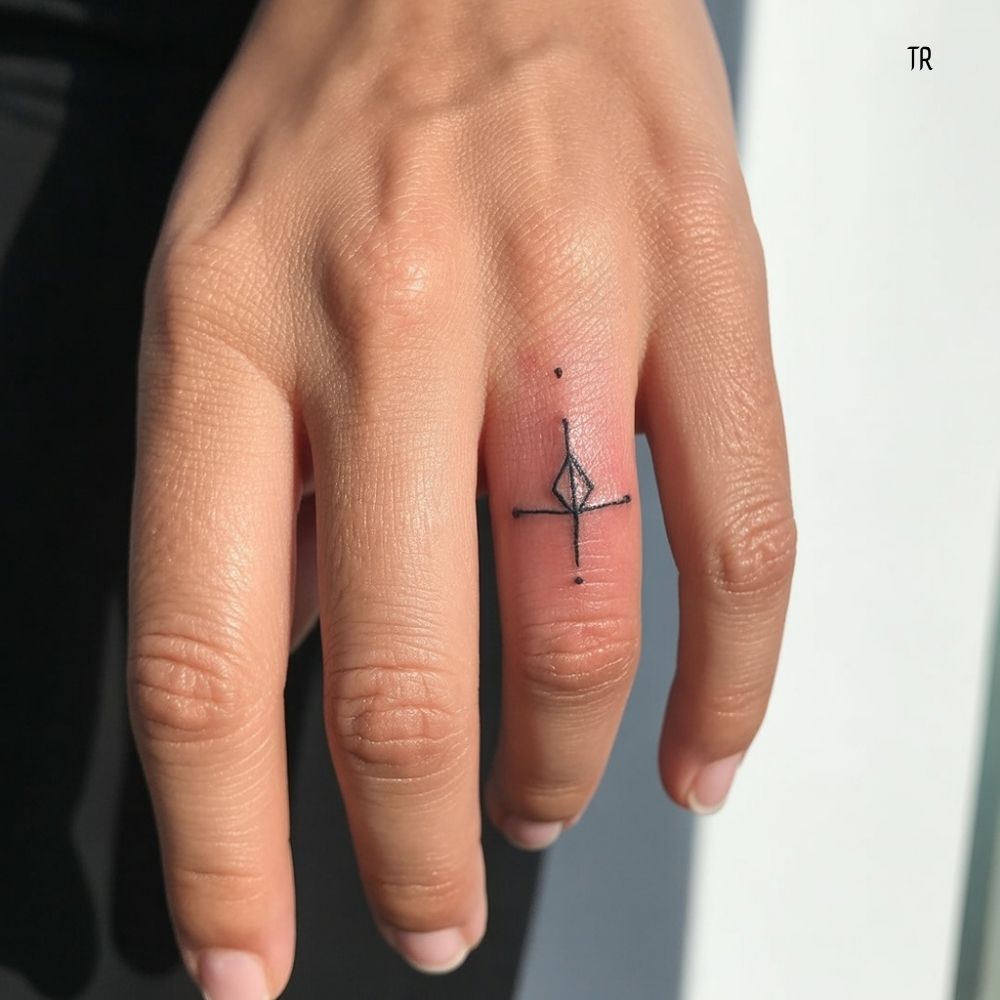
The first thing I do after getting home is not explain anything to anyone. I do not text photos. I do not narrate the experience. I let the tattoo exist without language.
Talking too soon feels like pulling it into performance before it has settled into me. I need silence first. Silence gives the tattoo room to become part of my body rather than a story I have to tell.
This is a boundary I learned to keep after realizing how quickly meaning gets diluted by explanation.
Washing Slowly, Not Just Carefully
When it is time to clean the tattoo for the first time, I do it slower than necessary. Not in a technical way, but in an attentive one. Warm water. Gentle soap. No rush.
I treat the washing less like a task and more like an acknowledgment. My hands move deliberately. I notice the sensation without flinching or bracing. This is not about toughness. It is about presence.
The water grounds me. It signals to my body that the experience is complete, that it can shift from alertness into care.
The Balm I Use and Why It Matters
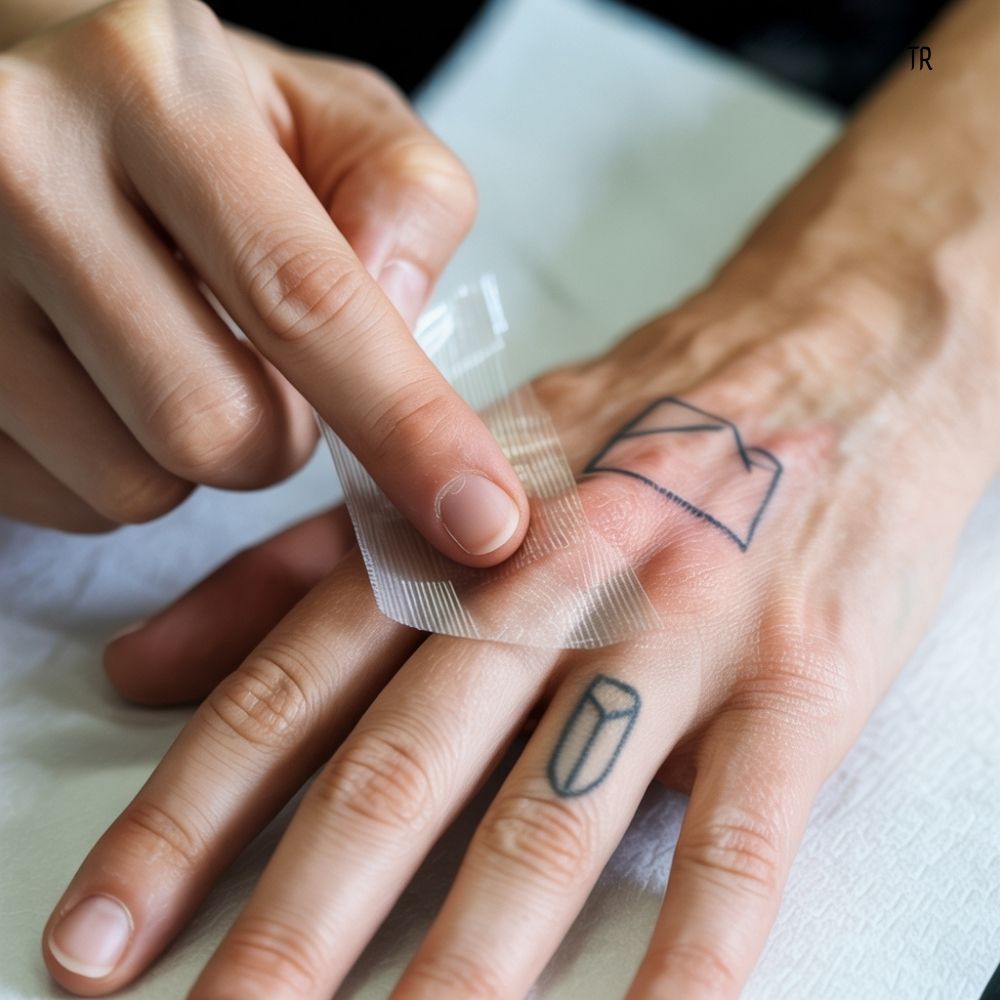
I use a very simple balm, nothing scented, nothing active. I warm it between my fingers before applying it so it does not feel cold or abrupt on the skin.
The act of applying balm becomes part of the ritual. I do not spread it quickly. I press and release gently, letting my skin respond at its own pace.
This moment always feels quieter than I expect. The body softens. The tattoo stops feeling like an interruption and starts feeling like something that belongs.
After that, I sit still. No distractions. No screens. No music. Just a few minutes of being aware of my body with this new addition.
I notice where the tattoo sits in relation to my breath. How it feels when I move slightly. What emotions surface now that the adrenaline is gone.
This stillness is the part no one sees because it does not look like anything. But it is where the tattoo integrates, where it stops being new and starts being mine.
Wearing Clothes That Protect Without Hiding
Choosing what I wear after a tattoo is also part of the ritual. I wear something soft, loose, and familiar, nothing that rubs or constrains. This is not about hiding the tattoo. It is about not asking my body to manage unnecessary friction.
The clothes I choose feel like permission to rest. They let my body focus on healing without defending itself.
This choice reinforces the idea that the tattoo does not need to be displayed immediately. It can exist quietly.
Why I Avoid Mirrors at First
I do not look at the tattoo constantly right away. I glance when necessary, but I avoid prolonged inspection. Staring too much pulls me into judgment and analysis too early.
I want the tattoo to settle before I decide how I feel about it. That takes time. Distance helps.
This is especially true for tattoos that carry emotional weight. They deserve privacy at the beginning.
The First Night With a New Tattoo
Sleeping the first night with a new tattoo always feels different. I am more aware of my body. I move carefully. I notice sensations more.
Before bed, I dim the lights and reset my space slightly. Not cleaning, just adjusting. Clearing surfaces. Making the bed feel supportive.
This creates a sense of closure. The day ends. The ritual completes.
What This Ritual Protects
This ritual protects the meaning of the tattoo from being flattened into content or commentary. It keeps the experience intact before it becomes public, if it ever does.
It also protects me. It gives my nervous system a way to transition out of intensity and into care. Without it, the emotional residue of the experience lingers in ways that feel unresolved.
Since I started doing this, getting a tattoo feels less impulsive and more integrated. The experience does not end at the studio door. It extends into my home, my body, my quiet.
I feel more grounded with my tattoos now. They feel lived in faster. Less performative. More personal.
Outro
The ritual I do after getting a tattoo that no one sees is not dramatic or symbolic in a way that translates easily. It is slow, quiet, and deeply physical. It exists to help me cross from decision into embodiment.
By the time anyone else sees the tattoo, it has already been integrated, already held, already accepted. The real work happened earlier, in private, without witnesses.
That is where the tattoo truly becomes mine.
Leave a Reply