
For a long time, the line between wearing makeup for myself and wearing it for the room ahead felt blurry. What looked like choice and expression on the surface was often a mix of habit, expectation, and quiet self-defense.
Sitting in front of the mirror, hands would move automatically, steps flowing from muscle memory rather than intention. Only later would it become clear how much energy had already been spent preparing for how I might be read, interpreted, or received.
That awareness didn’t arrive all at once. It came gradually, through exhaustion, through noticing how different looks felt in the body before leaving the house and after returning, and through paying closer attention to what was actually needed in each moment.
Learning to tell when makeup functions as protection and when it slips into performance changed more than a routine. It shifted how I move through the world, how I conserve energy, and how I choose when to show up and when to stay quietly held by my own choices.
When Makeup Feels Like Armor
There are days when makeup feels like something I put on to keep myself intact. Not to impress, not to attract, not to explain who I am, but to create a boundary between my inner world and whatever I am about to face.
On those days, makeup settles me rather than energizes me. It makes my breathing deeper. My movements slower. My attention more contained.
Protection makeup does not feel urgent. I do not rush through it. I do not keep checking my reflection. Once it is on, I forget about it, which is usually the clearest sign. It does not ask to be monitored because it is doing its job quietly.
This kind of makeup often reminds me of how I dress in black when I feel most colorful inside. It is not about adding more. It is about holding what is already there.
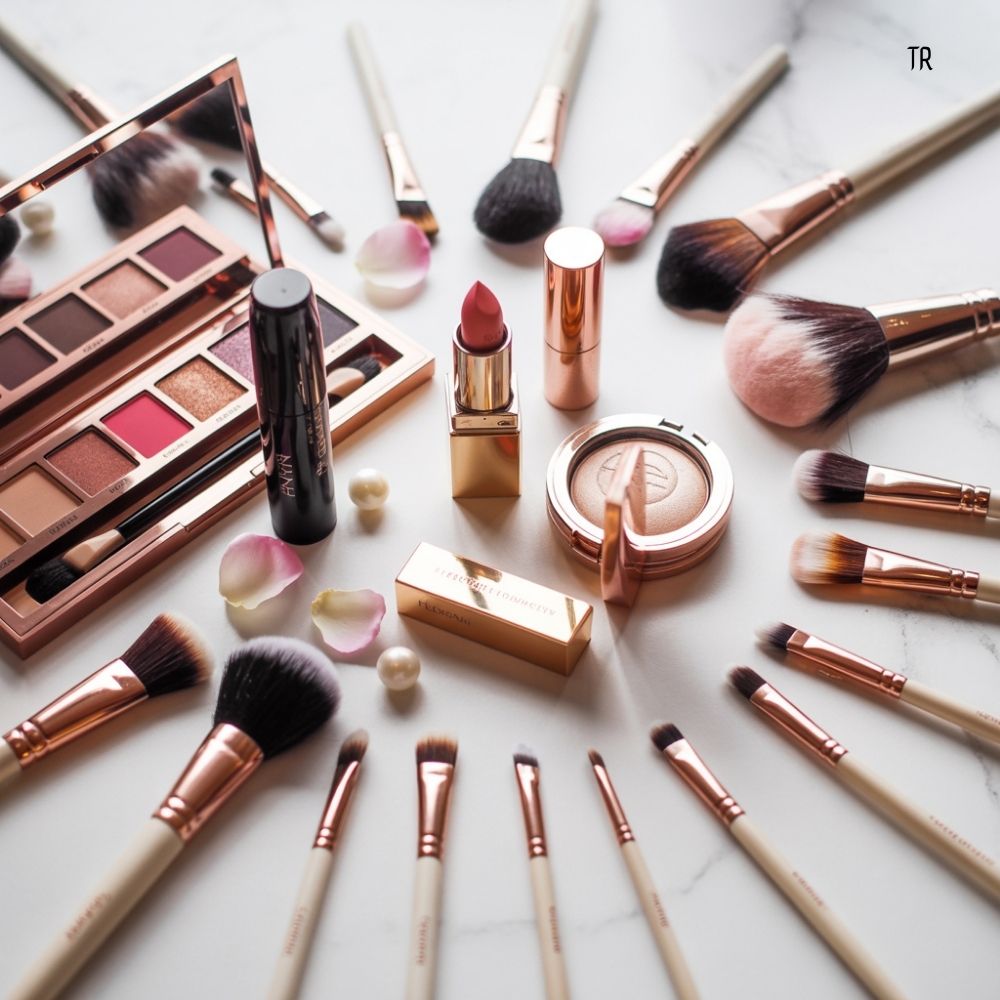
The Physical Clues I Pay Attention To
My body always knows before my mind does. When makeup is protection, my shoulders drop as I apply it. My jaw unclenches. I stop fidgeting. The act itself feels grounding, almost meditative, like I am settling into myself rather than building something outward.
When makeup is performance, my body does the opposite. I feel slightly tense. I rush. I correct things that do not need correcting. I lean closer to the mirror, searching for something to fix. That restlessness is my first clue that I am not doing this for myself.
I used to ignore those signals because the result often looked good. But looking good and feeling steady are not the same thing, and over time I learned which one actually matters to me.
Protection Makeup Is About Containment
When makeup is protection, it contains my energy instead of projecting it. The colors are usually muted, deeper, grounded. My eyeliner is deliberate but not dramatic. My skin looks like skin. My lips feel finished but not inviting.
This is the makeup I wear when I know I will need to hold my ground, when I am overstimulated, or when my emotions are present but private. It creates a sense of distance that feels respectful rather than cold.
I do not feel like I am hiding. I feel like I am choosing how much of myself is available.
Performance Makeup Wants an Audience
Performance makeup is not inherently bad. I want to be clear about that, because for a long time I shamed myself for it instead of understanding it. Performance makeup wants to be seen. It wants reaction, affirmation, feedback. It is expressive, playful, sometimes loud, sometimes intricate.
The key difference is not the look itself but the motivation underneath it. Performance makeup feels slightly anxious in my body. There is an urgency to it, a sense that the look needs to land correctly in order for me to feel okay.
When I catch myself thinking about how something will photograph, how it will read to others, or whether it will be interpreted the right way, I know I have crossed into performance.
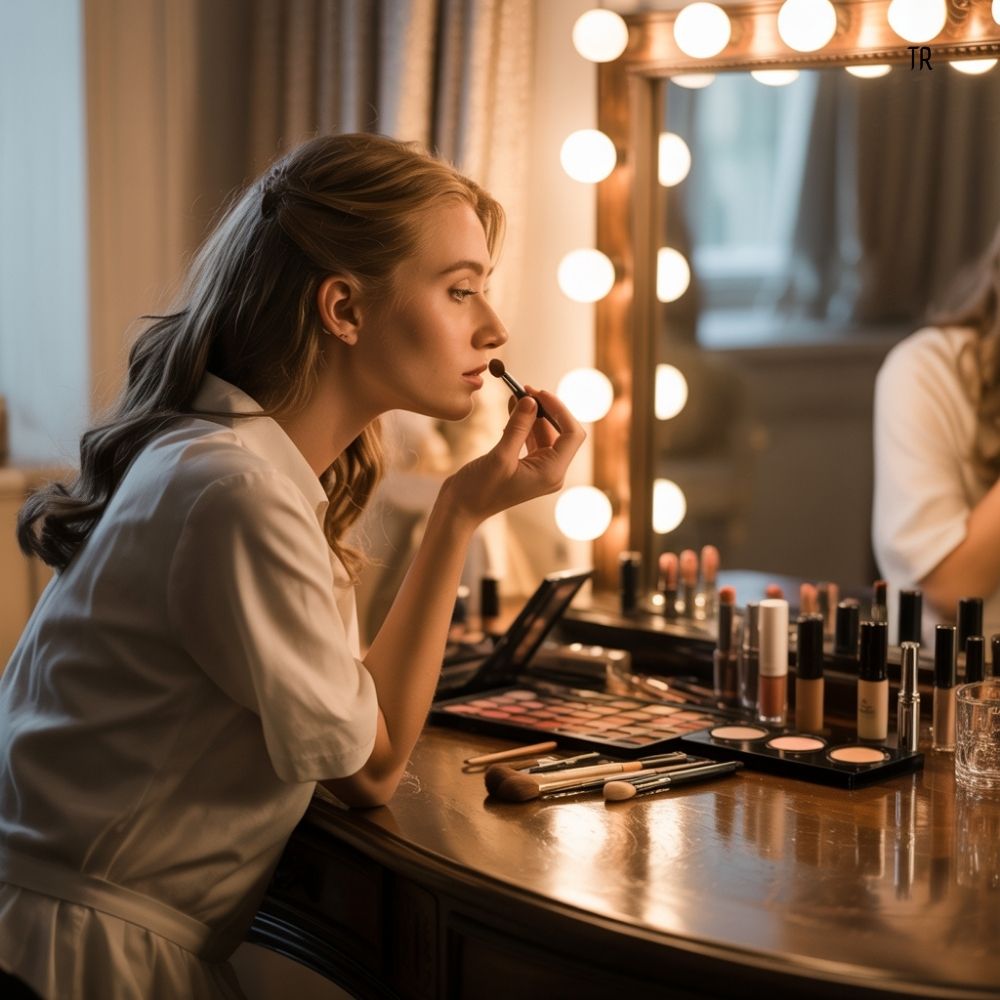
The Mirror Test I Use Now
I have a quiet check-in I do now, usually without words. After I finish my makeup, I look at myself once, not critically, just observantly. Then I notice my body.
If I feel calmer than I did before, the makeup is protection.
If I feel more alert, more keyed up, more aware of being seen, it is performance.
Neither response is wrong. The mistake I used to make was wearing performance makeup on days when I needed protection, which left me feeling overexposed without understanding why.
When Performance Actually Serves Me
There are days when I want to perform, and on those days, performance makeup feels right. Creative events, nights out, moments when expression and visibility feel energizing rather than draining. In those contexts, performance becomes play, not pressure.
The difference is consent. When I choose performance intentionally, it feels expansive instead of compulsory. I am not trying to earn approval. I am enjoying visibility.
The problem was never performance itself. It was performing unconsciously, out of habit or expectation, when what I actually needed was containment.
Why Protection Became More Important Over Time
As I got older, my tolerance for emotional leakage decreased. I became more aware of how easily my energy gets pulled outward, especially in social or professional settings. Protection stopped feeling optional and started feeling necessary.
Makeup became one of the simplest tools I had to regulate that exchange. Not the only one, but a meaningful one. It allowed me to show up without giving everything away.
This shift mirrored other changes in my life, like choosing quieter clothes, limiting social access, and letting certain things remain unspoken. Makeup was never separate from that evolution. It was part of it.
How This Awareness Changed My Routine
My makeup routine is simpler now, not because I care less, but because I care more precisely. I reach for fewer products, but I choose them intentionally. I know which ones make me feel steady and which ones amplify me outward.
Some days I want amplification. Some days I want steadiness. Knowing the difference lets me choose without confusion.
That clarity alone has made makeup feel kinder, more aligned, and far less exhausting.
What Makeup Taught Me About Self-Trust
Learning to distinguish between protection and performance taught me to trust my internal signals over external feedback. I no longer decide whether a look was successful based on compliments or reactions.
I decide based on how I feel afterward. Do I feel intact. Do I feel drained. Do I feel like myself.
Those answers matter more to me now than how anything looks under perfect lighting.
Outro
Makeup is neither good nor bad, empowering nor shallow, protective nor performative by default. It becomes those things based on intention, context, and awareness. The difference between protection and performance lives in the body, not the mirror.
Now, when I sit down to do my makeup, I ask myself one quiet question before I start. What do I need today, containment or expression.
Leave a Reply