
At some point, everyday choices started feeling like they needed a defense. What to eat, how to relax, even how to wind down at night all seemed to carry an unspoken expectation to be productive, nourishing, or somehow optimized.
Anything that didn’t actively improve something began to feel questionable. That pressure showed up most clearly late at night, when the body was tired, the mind was overstimulated, and the desire was simple comfort, yet the question lingered of whether that comfort was allowed.
The habit that finally interrupted that pattern wasn’t impressive or carefully curated. It was a midnight bowl of noodles. Nothing fancy. Nothing photogenic. Just something warm, salty, and steady enough to bring things back into balance.
That bowl offered an unexpected lesson. Not every habit needs to be healthy in the way wellness culture defines it. Some habits exist to soothe, to ground, and to hold you together when the day has already taken plenty.
How I Learned to Stop Optimizing Everything
For a long time, I treated my routines like moral statements. If a habit was not improving my skin, my sleep, my productivity, or my emotional intelligence, I felt like I was doing something wrong. I would reach for herbal tea when I wanted something heavier, or distract myself when what I actually needed was comfort.
This constant optimization made me restless in ways I could not name at first. I was doing everything right on paper, but I was rarely relaxed. The more I tried to regulate myself perfectly, the more disconnected I felt from my own needs.
Late at night is when that disconnect became impossible to ignore. The quiet stripped away performance, and what was left was a very simple desire for warmth and familiarity, something that did not ask me to be better, just present.
The Midnight Comfort Bowl That Changed Everything
The first time I made noodles at midnight without apologizing to myself for it felt oddly rebellious. I had just come home from a long day where nothing dramatic happened, but everything felt slightly too much.
I stood in my kitchen with the overhead light off, just the stove glow and the hum of the fridge keeping me company. I boiled water. I added noodles. I stirred slowly. That was it.
I did not add superfoods or balance macros or turn it into a lesson. I ate standing at the counter, breathing a little deeper with every bite, feeling my shoulders drop in a way they had not all day.
That bowl did more for my nervous system than any wellness routine I had tried to force earlier that week.
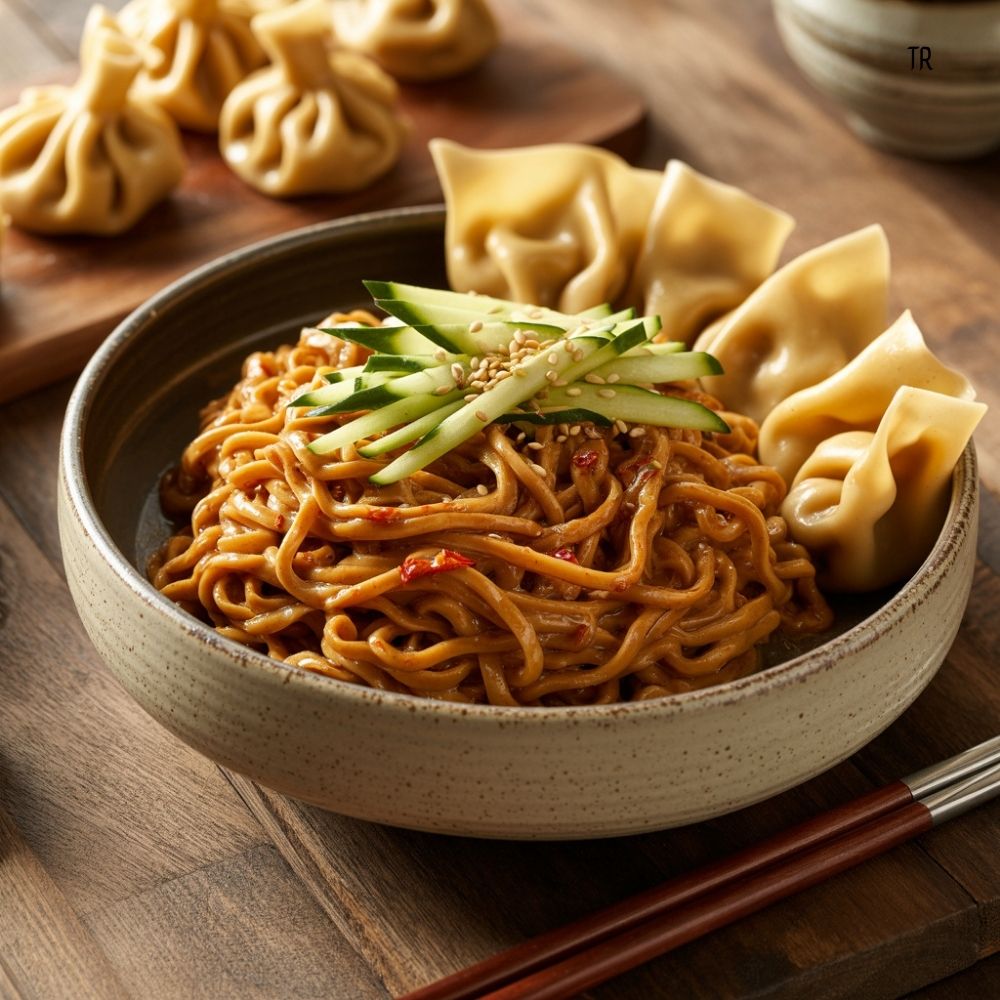
What My Comfort Noodles Actually Look Like
This is not a recipe meant to impress anyone. It changes slightly depending on what is in my kitchen and how much energy I have, but the structure stays the same.
I use simple noodles, the kind that cook quickly and reliably. I add hot water or broth, a pinch of salt, sometimes soy sauce, sometimes a bit of butter stirred in at the end. If I have scallions or an egg, I might add them, but only if it feels easy.
What matters is not the ingredients but the process. The predictability. The warmth. The way the steam fogs my glasses slightly and forces me to slow down. I eat it slowly, usually alone, usually in silence. That is part of what makes it work.
The Emotional Role of Unhealthy Habits
There is a category of habits that will never be optimized, and I think they deserve protection. Late night noodles. Rewatching the same show for the fifth time. Sitting on the floor instead of the couch. Wearing the same black sweater three days in a row.
These habits do not build discipline or longevity. They build continuity. They remind you who you are when you are not performing.
When everything in your life is curated toward improvement, you lose the spaces where you are allowed to simply exist. Comfort habits fill that gap quietly.
Why I Trust These Habits More Than “Good” Ones
Healthy habits are easy to follow when life feels stable. Comfort habits show up when things are shaky. That is why I trust them more.
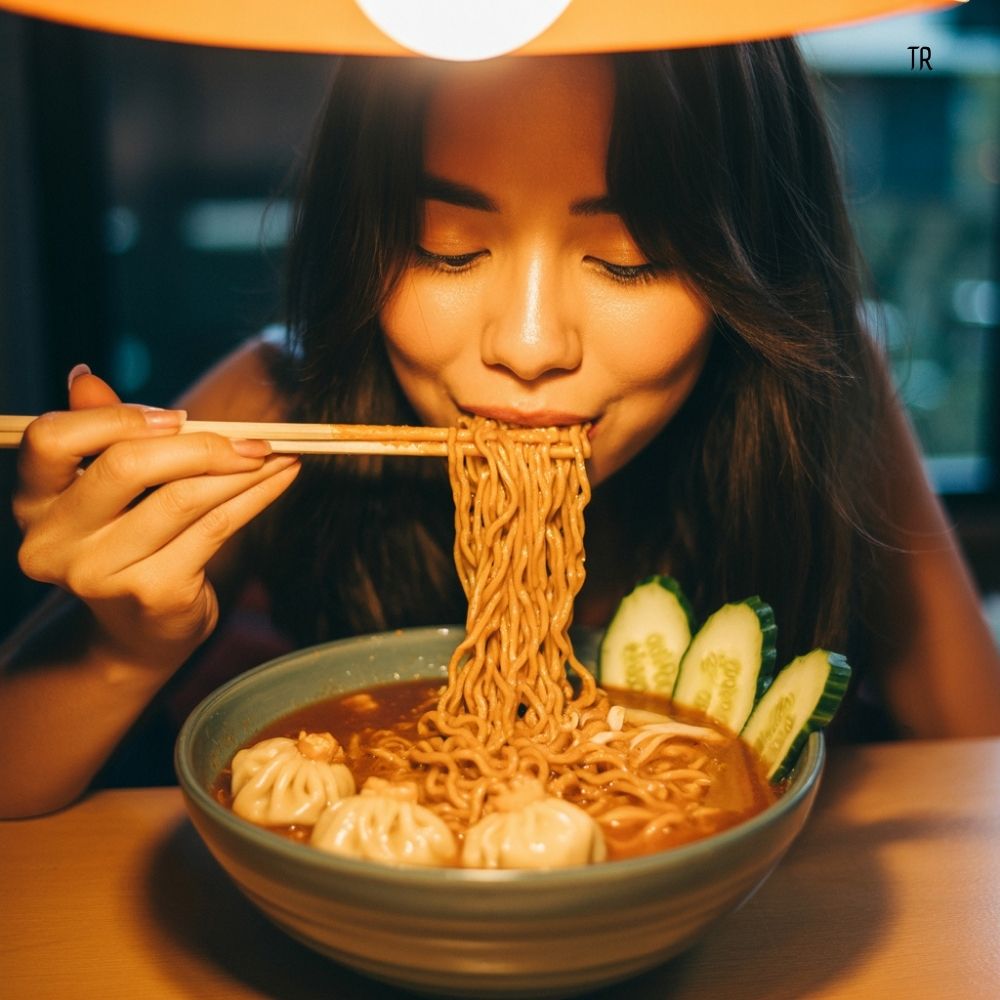
The nights I make noodles are usually the nights I need them most. Nights when my thoughts feel loud, when I am overstimulated, when my body feels slightly out of sync with my mind. The habit does not fix anything. It steadies me enough to sleep, which is often all I need.
There is a kind of intelligence in listening to those cues without overanalyzing them.
Letting Go of the Guilt Took Practice
I would love to say that the guilt disappeared immediately, but it did not. At first, I caught myself justifying the noodles by adding something green or protein heavy, as if to make them acceptable.
Over time, I stopped doing that. I let the habit be exactly what it was meant to be. Comfort without a thesis.
The more I practiced that, the easier it became to recognize when I was forcing myself into habits that looked good but felt wrong. I started choosing what soothed me instead of what impressed an imaginary audience.
The Balance I Actually Live By Now
I still care about health. I still eat well most of the time. I still value routines that support my body and mind. What changed is that I stopped treating health like a hierarchy where comfort always sits at the bottom.
Now I see it as a cycle. Some habits build strength. Some build softness. Both are necessary.
The nights I eat noodles do not undo anything. They support the days when I do not need them.
Outro
The midnight comfort bowl of noodles taught me that being gentle with myself is not a weakness or a lack of discipline. It is a form of intelligence. It is knowing when to stop pushing and start holding.
Not every habit needs to be healthy, productive, or admirable. Some habits exist to soothe the soul, to quiet the noise, to remind you that you are allowed to take care of yourself without permission.
I still make that bowl when I need it. I still eat it slowly, standing in my kitchen, letting the warmth settle me. It is not a habit I plan to give up, because it was never about being good. It was about staying human.
Leave a Reply