
For a long time, popularity felt like proof. If a beauty habit was praised often enough, repeated by people who looked confident and put together, it seemed safe to assume it was the right choice. Not just generally right, but right for me.
That assumption went unquestioned for years. Routines were followed the way convincing instructions usually are, even when something subtle felt off. The discomfort was quiet, easy to ignore, and hard to name.
The habit that eventually fell away wasn’t extreme or obviously harmful. It was framed as disciplined and effective, the kind of thing associated with control, clarity, and better skin over time.
And yet, every time it was practiced, there was resistance. A sense of forcing myself into a rhythm that didn’t quite fit. Letting go didn’t happen suddenly or dramatically. It happened slowly, through noticing, listening, and finally allowing honesty to take the lead.
The Habit Everyone Said I Needed
For me, that habit was frequent chemical exfoliation, acids layered carefully and consistently, morning and night, rotated and scheduled, tracked like a responsibility rather than a choice.
It was presented as essential. The key to refinement. The thing that separated people who knew what they were doing from people who did not.
At first, I followed the rules exactly. I researched percentages, pH levels, and ingredient compatibility. I created a rotation that looked impressive on paper. There was a sense of control in it, a feeling that I was actively managing my skin instead of simply caring for it.
People complimented me. My skin looked smoother, brighter, tighter. That feedback kept me going even when something did not feel right.

The Subtle Discomfort I Ignored for Too Long
The problem was never immediate. That is why it took so long to notice. My skin felt constantly alert, like it was always recovering from something. Slight tightness. A faint sensitivity I brushed off. A dependence on soothing products to calm down the very irritation I was creating.
Emotionally, the habit felt rigid. Missing a night made me anxious. I felt guilty skipping a step, like I was failing some invisible standard of care. Skincare stopped feeling intuitive and started feeling like maintenance work I could not afford to neglect.
That was the first sign that the habit was not actually serving me, even though it looked good from the outside.
The Day I Decided to Stop
I did not make a dramatic decision. I did not throw products away or announce a reset. I simply skipped exfoliation one night and noticed how relieved my skin felt the next morning. Not glowier. Not smoother. Just calmer.
So I skipped it again. And then again.
Over time, my skin softened in a way that felt more natural. Texture returned, not as a flaw, but as a sign of balance. The constant low-level sensitivity faded. Most importantly, my relationship with my face changed. I stopped scanning it for problems to solve.
What Happened When I Let My Skin Lead
Without frequent exfoliation, my routine simplified naturally. I reached for gentler cleansers. Hydration became more important than correction. I paid attention to how my skin felt rather than how it looked under specific lighting.
Some days it was dull. Some days it was uneven. I let those days exist without trying to fix them immediately. And something unexpected happened. My skin became more consistent over time, not because I was pushing it, but because I was finally responding to it.
I realized that consistency does not always come from effort. Sometimes it comes from restraint.
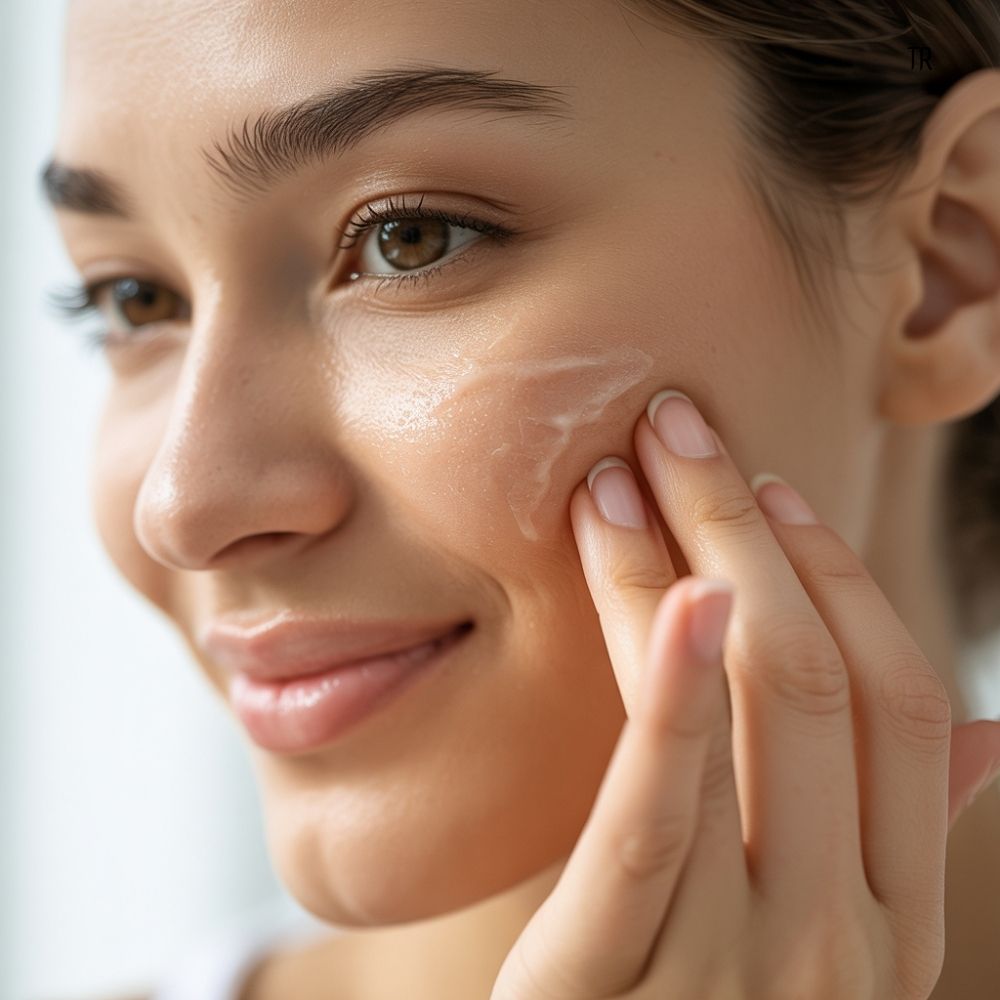
How This Changed the Way I View Beauty Altogether
Dropping that habit changed more than my skincare routine. It changed how I approach beauty as a whole. I stopped chasing routines that required constant vigilance. I stopped believing that discomfort was a necessary step toward improvement.
Now, when I try something new, I pay attention to how it feels emotionally as much as physically. Does it create calm or pressure. Does it ask for consistency that feels supportive or punishing. Does it leave room for flexibility or demand perfection.
If a habit requires me to ignore my instincts, it is not for me, no matter how effective it claims to be.
What I Kept Instead
I did not abandon care. I refined it. I kept habits that feel grounding and forgiving. Gentle cleansing. Simple hydration. Occasional exfoliation only when my skin asks for it, not on a schedule.
I trust my skin more now. I trust myself more too. There is a quiet confidence in knowing that I do not need to follow every rule to be taken seriously, and that my version of care is valid even if it looks less impressive.
The biggest change was internal. I stopped performing care. I stopped treating my routine like something that needed justification.
My skin does not need to be managed into submission. It needs to be supported. That difference matters more than any product ever could.
Outro
The beauty habit I dropped taught me that not everything praised as good is good for everyone, and that listening to yourself is a skill that takes practice, not instinct. Letting go did not make my routine weaker. It made it truer.
I still respect the science. I still appreciate structure. But I no longer confuse intensity with commitment. Beauty, for me, is no longer about how much I can tolerate in the name of results.
It is about choosing what allows me to feel at ease in my own skin, even on days when it is imperfect, because that ease lasts longer than any temporary glow ever could.
Leave a Reply