
Some days call for looking put together without inviting conversation. Without opening the door to small talk, assumptions, or emotional access that hasn’t been offered. This isn’t about being cold or unfriendly.
It’s about protecting energy on days when it already feels fully spoken for. Learning how to dress well without looking approachable became a practical skill, not an attitude, after noticing how often clothes were quietly doing emotional labor that was never agreed to.
For a long time, polish was mistaken for openness. Elegance felt automatically warm. Effort felt like availability. Over time, that assumption softened, and something clearer took its place.
Style can be precise without being inviting. It can be intentional without being accessible. Composed without asking to be softened for someone else’s comfort.
These aren’t rigid rules meant to be copied exactly. They’re principles for using clothing as a boundary rather than a performance, a way to move through the world feeling both put together and protected.
Why Approachability Is Not Always the Goal
Approachability gets framed as a virtue, especially for women. We are expected to look pleasant, easy to talk to, and emotionally readable at all times.
When you do not meet that expectation, it is often interpreted as arrogance or aloofness, which says more about the expectation than the reality.
There are days when being approachable costs too much. When conversation feels like a drain rather than a connection. When you need to move through the world without managing other people’s comfort on top of your own.
Dressing well without looking approachable is not about pushing people away aggressively. It is about creating a quiet buffer that lets you exist without interruption.
Choosing Structure Over Softness
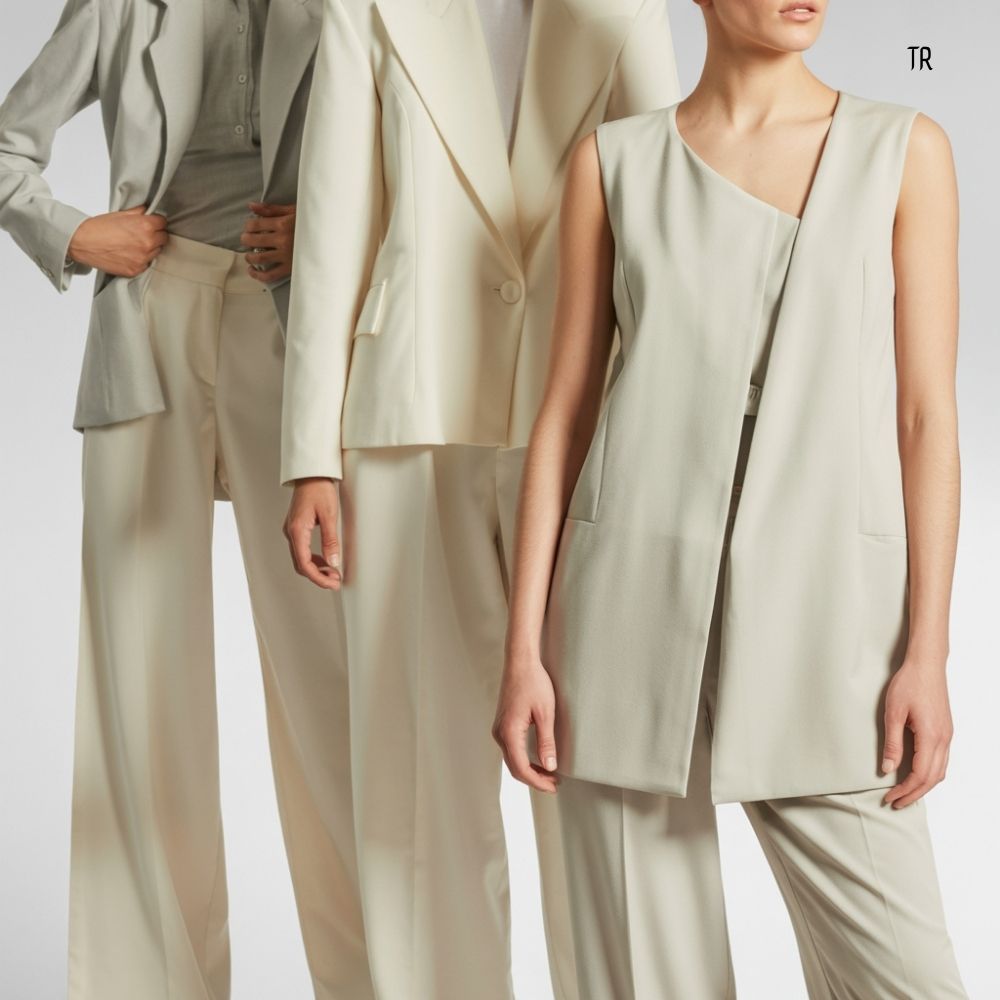
Soft fabrics, flowing silhouettes, and overly relaxed shapes signal ease and openness. When I want distance, I lean into structure instead. Clean lines, tailored pieces, and clothes that hold their shape without clinging create a sense of intention that people read immediately.
This does not mean stiff or uncomfortable. It means garments that sit with confidence on the body rather than adapting too easily to it.
A structured coat, straight leg trousers, a blazer worn closed instead of open. These choices suggest self-containment. They say I am here for myself, not for consumption.
Neutral Colors Create Emotional Distance
Color communicates before anyone says a word. Bright colors and soft pastels invite interpretation. They feel expressive and emotionally legible. When I want to look good without being approachable, I limit my palette deliberately.
Black is my default, but not the only option. Deep browns, charcoal, muted navy, and gray create depth without warmth. These shades feel grounded and closed off in a way that is calming rather than aggressive. They do not ask to be commented on. They simply exist.
When my outfit stays within this range, people tend to engage with more caution, which is exactly what I want on days when my attention feels valuable.

Fit Matters More Than Trend
Nothing invites interaction faster than clothes that look like they want feedback. Trend driven pieces often do that unintentionally. They signal playfulness, curiosity, and openness to conversation.
I prioritize fit over novelty. Clothes that fit properly look resolved. They feel finished. When something fits me well, it does not look like I am experimenting or seeking validation. It looks like a decision already made.
This is especially true with pants and outerwear. A well fitting pair of trousers or a coat that sits just right communicates confidence without performance. People sense when you are not looking for approval.
Avoiding Details That Invite Comment
There are certain details that act like open doors. Ruffles, bows, delicate jewelry, whimsical prints. They are not bad, but they are conversational by nature. They give people an easy entry point.
When I want distance, I keep details minimal and intentional. Hardware instead of ornament. Clean seams instead of embellishment. Jewelry that feels architectural rather than decorative.
Even my shoes matter. Sleek boots signal something very different than soft flats or playful sneakers. The fewer obvious talking points my outfit offers, the less likely people are to start conversations I did not ask for.
Hair and Makeup as Part of the Message
Clothing alone does not do all the work. Hair and makeup either reinforce or undo the boundary you are trying to set.
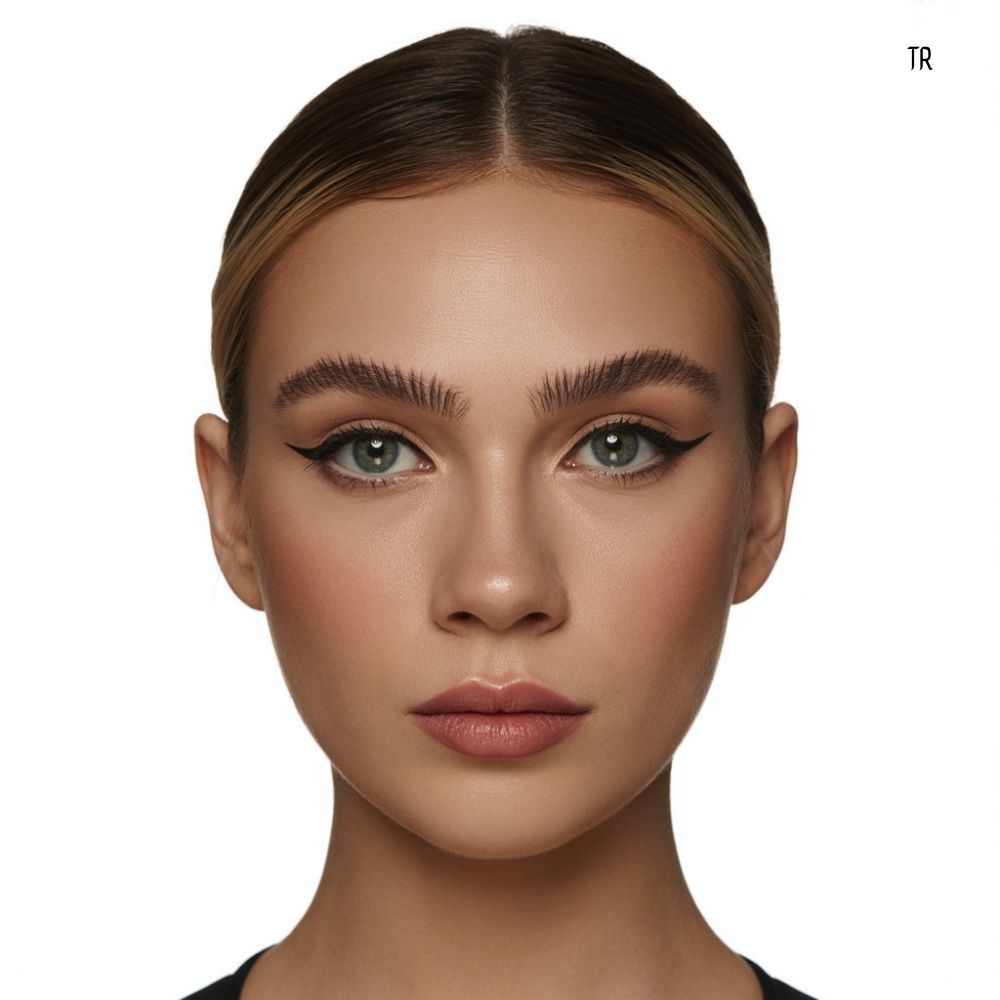
When I want to look unapproachable, my hair is usually controlled and intentional. Pulled back, tucked behind ears, or worn in a way that feels deliberate rather than loose. Makeup follows the same logic. Defined eyes, muted lips, nothing glossy or overly soft.
This is not about severity. It is about clarity. Soft makeup invites closeness. Defined makeup creates distance. I choose accordingly.
The Power of Repetition
Wearing the same silhouettes and color combinations repeatedly does something interesting. It removes novelty. People stop feeling curious about you and start accepting you as consistent.
Consistency is underrated as a boundary. When people know what to expect visually, they engage less emotionally. I wear variations of the same outfits often, not because I lack creativity, but because repetition feels stabilizing and self possessed.
It sends the message that I am not dressing for reaction. I am dressing for alignment.
Clothes create the frame, but posture and movement finish the sentence. Dressing well without looking approachable requires a certain stillness. Slower movements. Less fidgeting. Taking up space without rushing to fill silence.
When my clothes support that energy, everything feels easier. I do not have to overthink how I am being perceived. The boundary holds on its own.
Dressing for Yourself Changes Everything
The biggest shift happened when I stopped dressing to be liked and started dressing to feel intact. Once my outfits were about how I wanted to feel rather than how I wanted to be received, approachability became a choice instead of a default.
There are days when I want connection, softness, and warmth. On those days, I dress for it gladly. But when I do not, I no longer feel guilty for choosing distance.
Outro
Dressing well without looking approachable is not about pushing people away. It is about honoring your capacity. It is about recognizing that your energy is finite and that your clothes can help protect it without confrontation.
Looking put together does not mean you owe the world access to you. Sometimes it simply means you are comfortable enough with yourself to decide how close others get.
These choices did not make me colder. They made me calmer. And that calm shows up in every room I enter, whether anyone speaks to me or not.
Leave a Reply